Bionic Blaster and Dart Holder
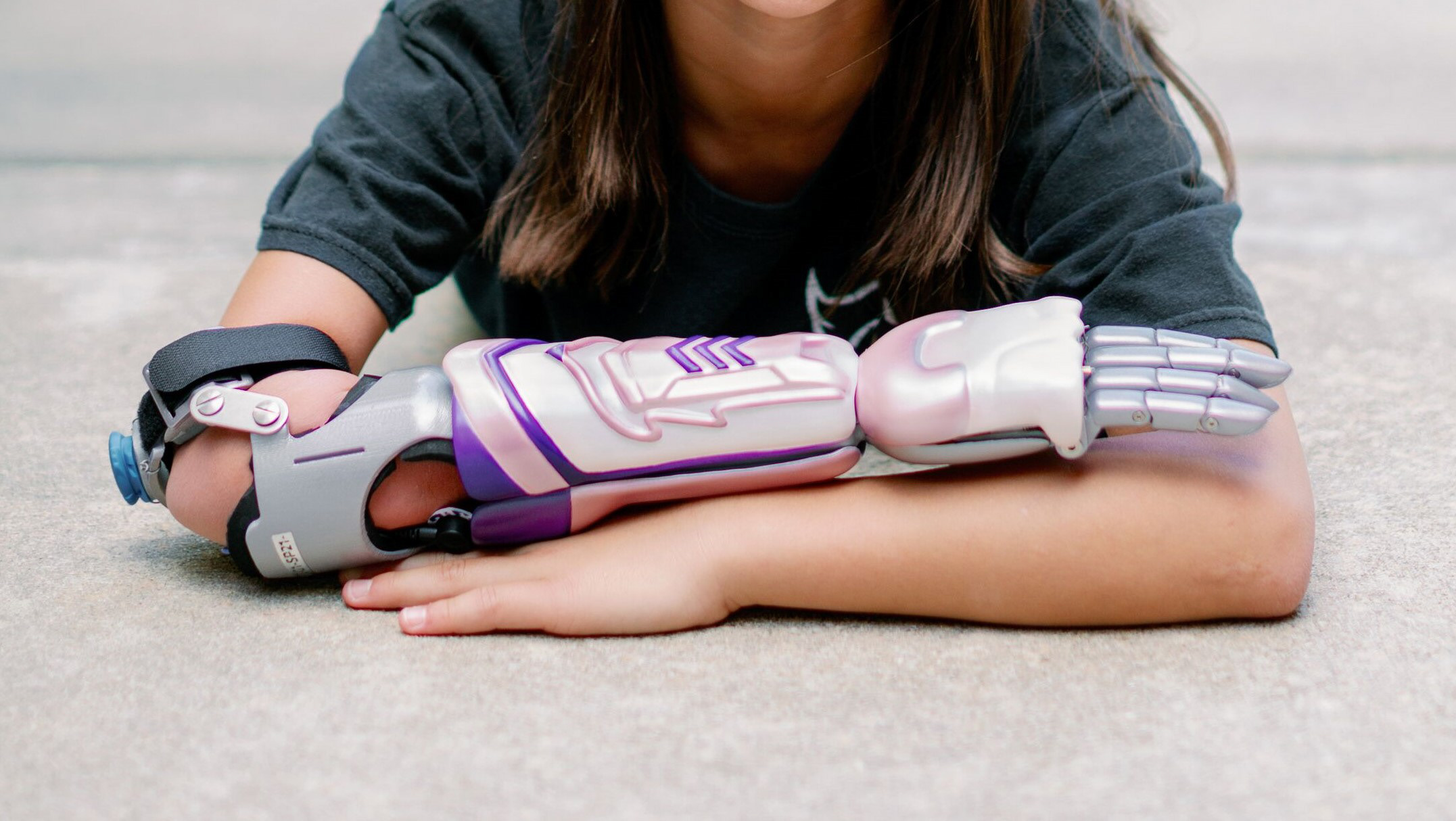
I collaborated with a teammate on the design of the Limbitless Bionic Blaster, an accessory that launches Nerf darts. While we worked together on the overall blaster concept, I independently CAD-modeled the Dart Holder, ensuring proper fit, tolerances, and functionality within the system.
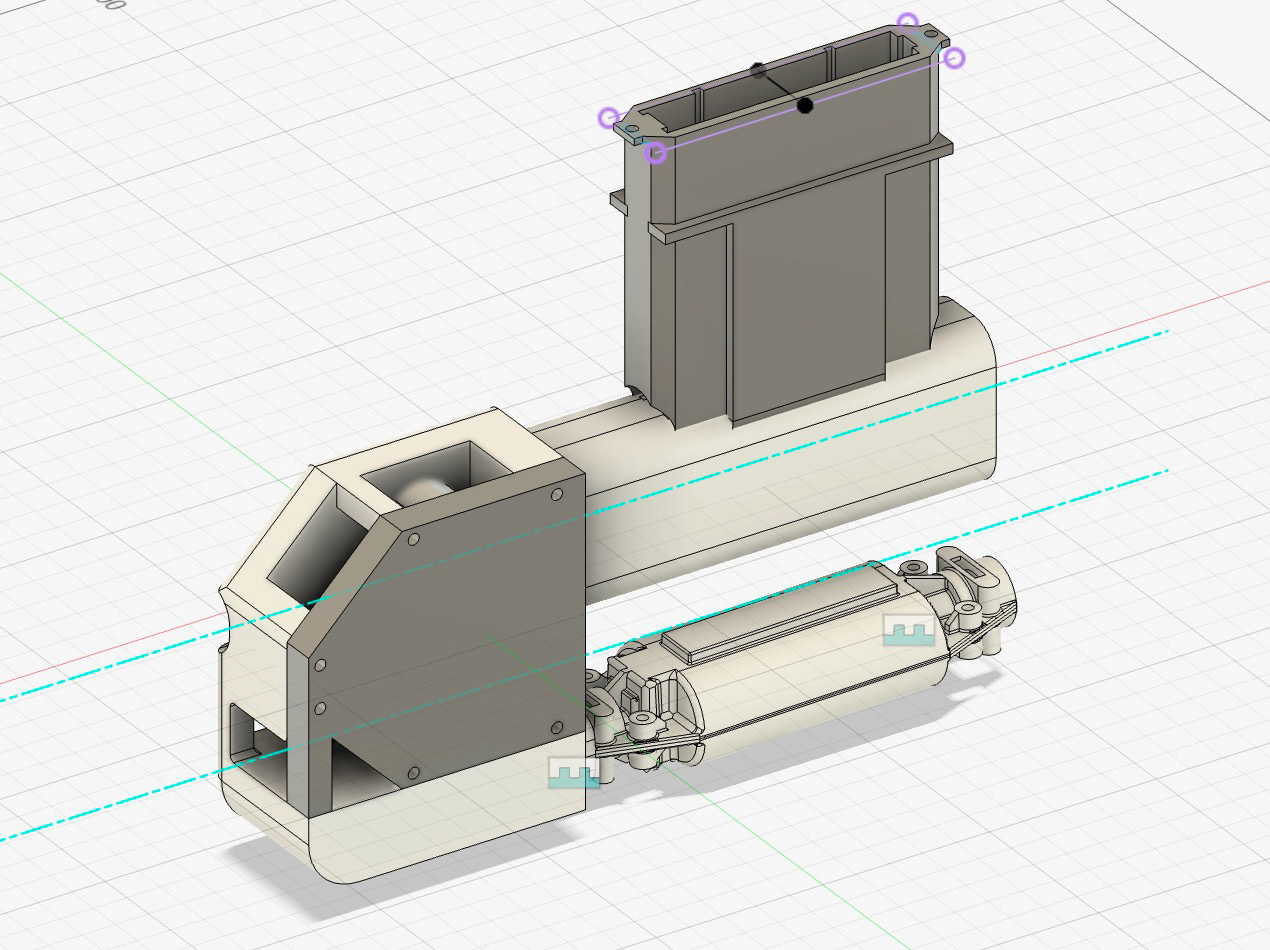
Bionic Blaster
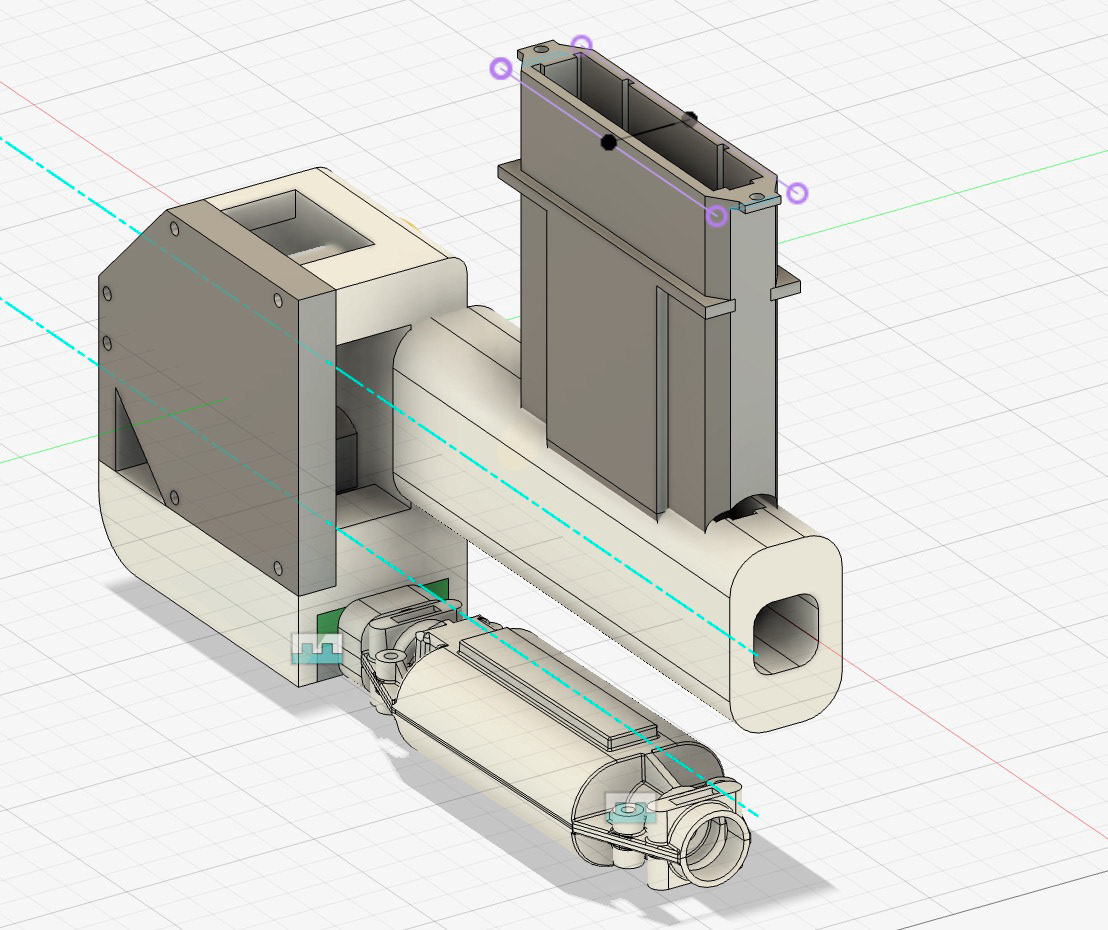
Bionic Blaster
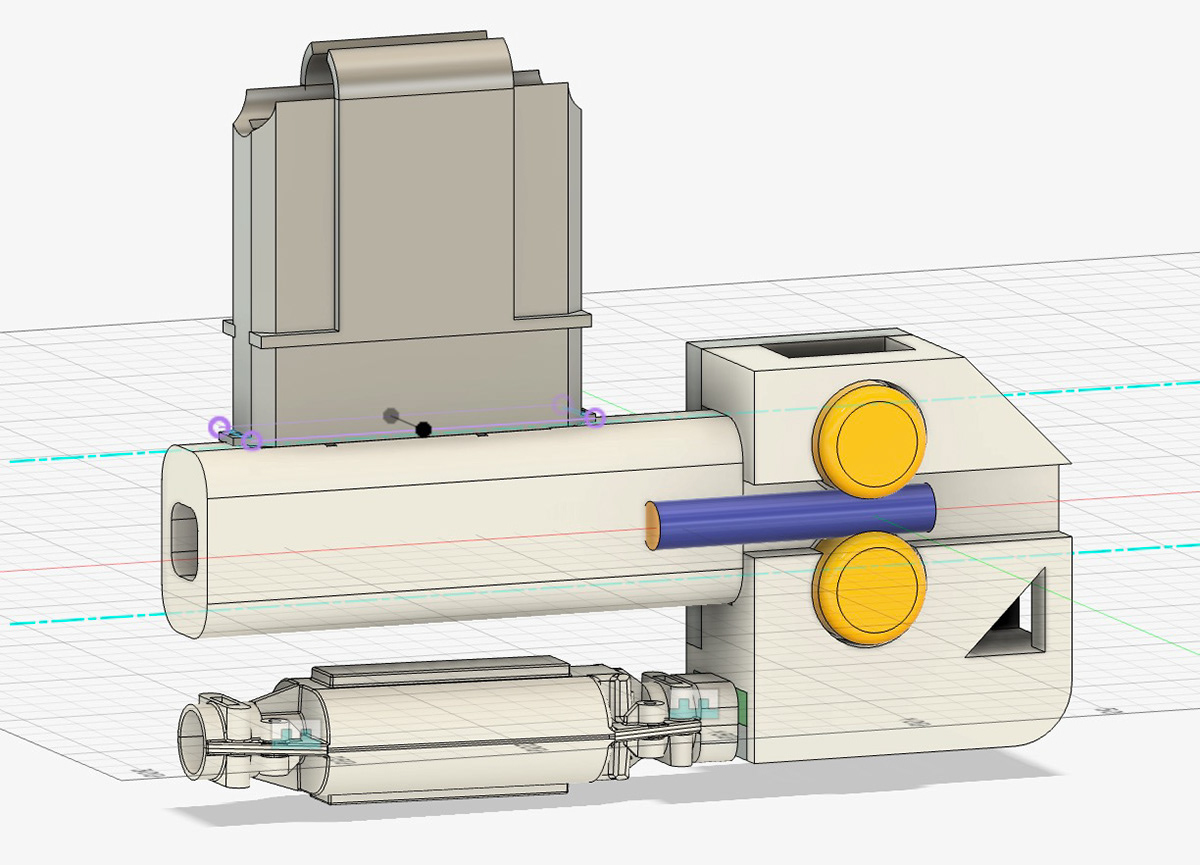
Bionic Blaster
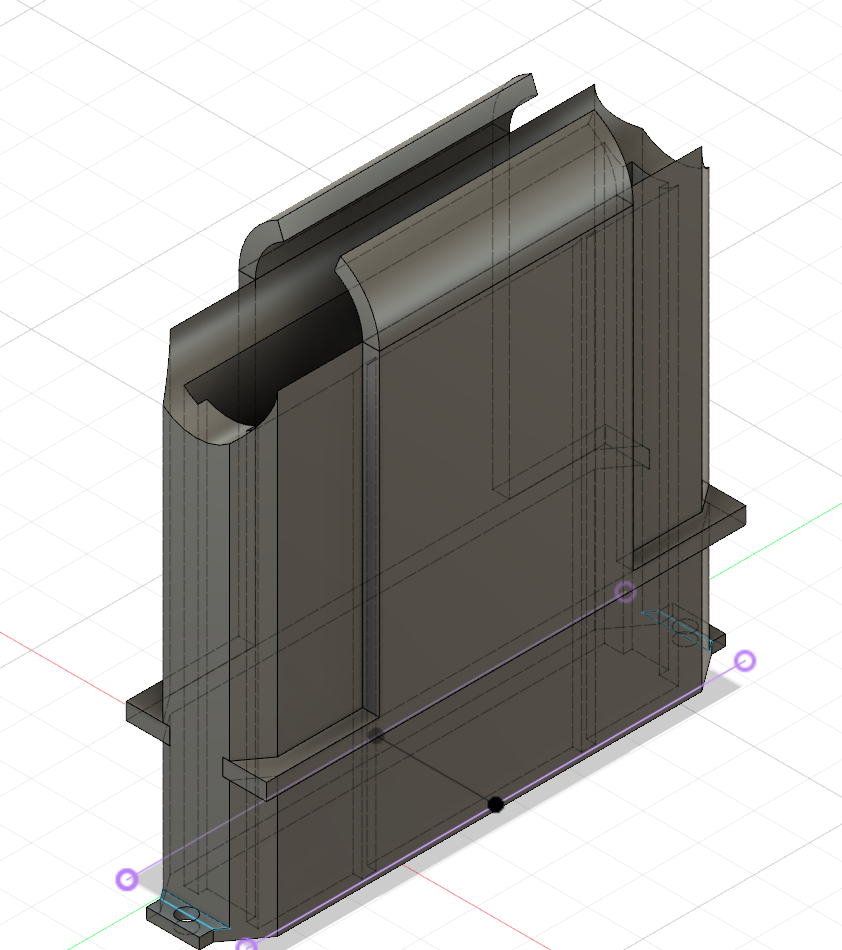
Dart Holder
Universal Creative Lab: The Pit and the Pendulum
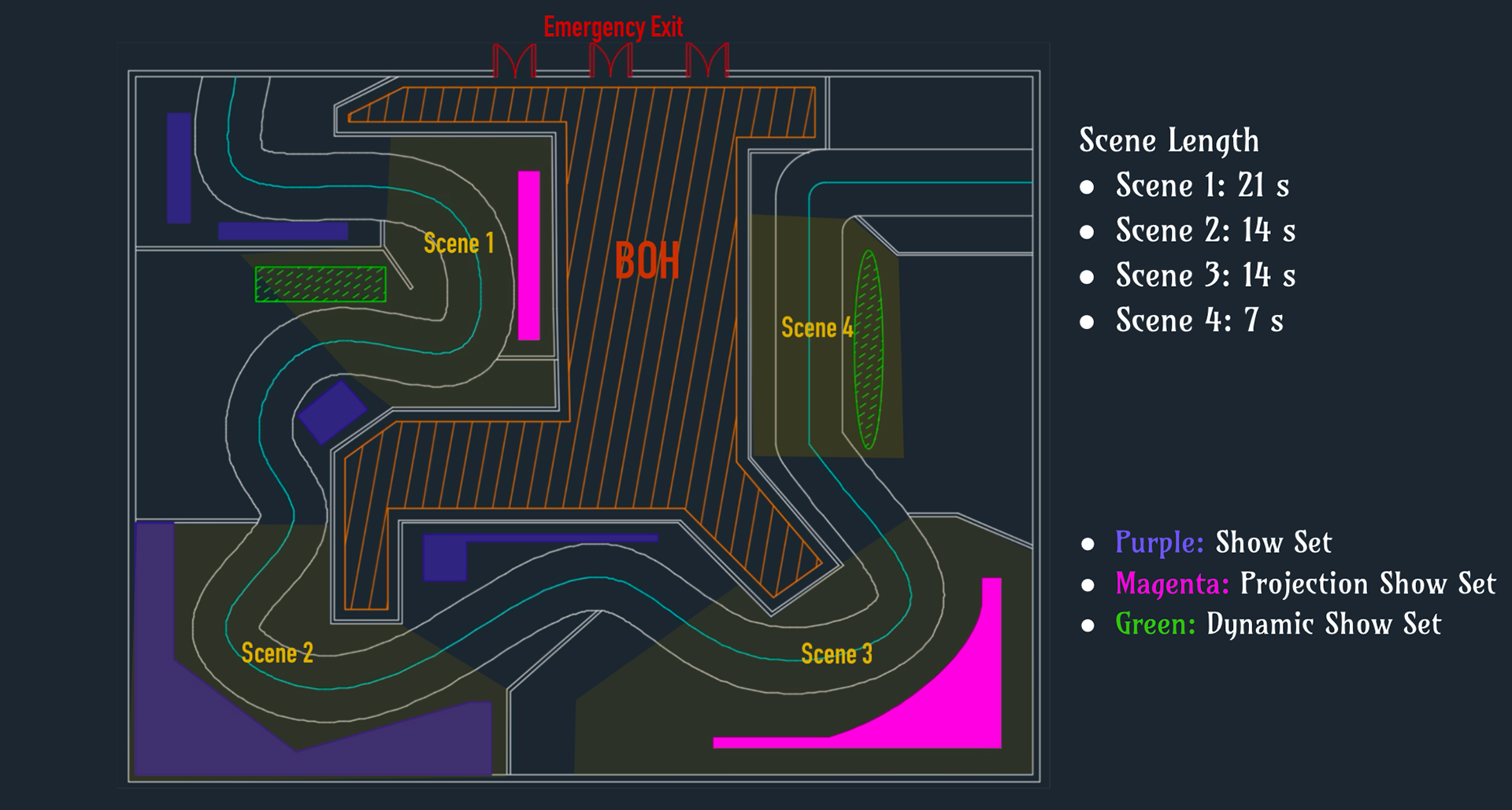
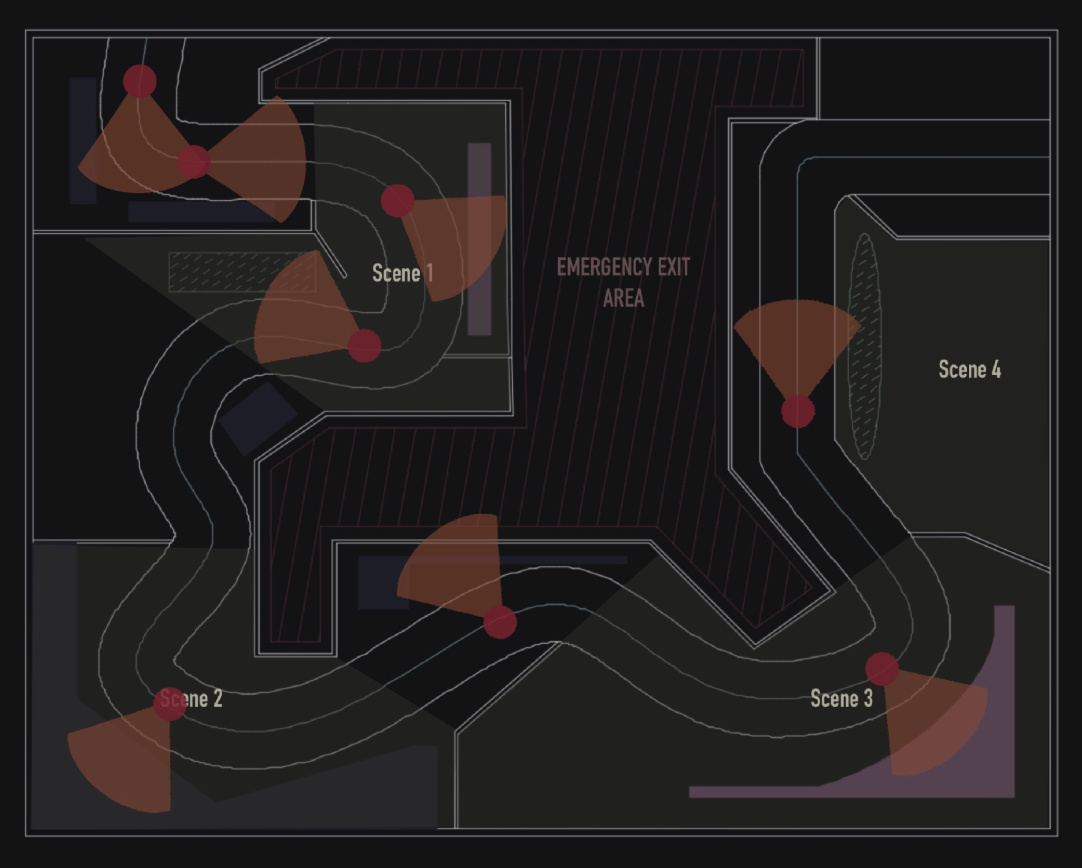
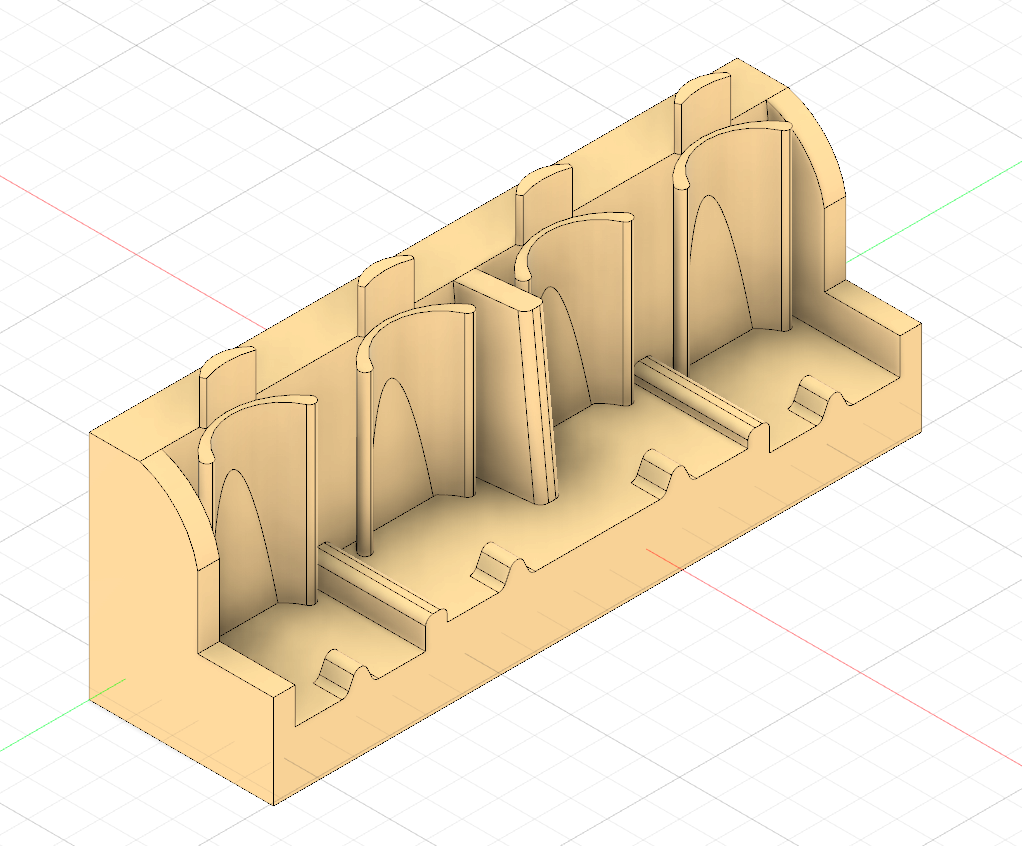
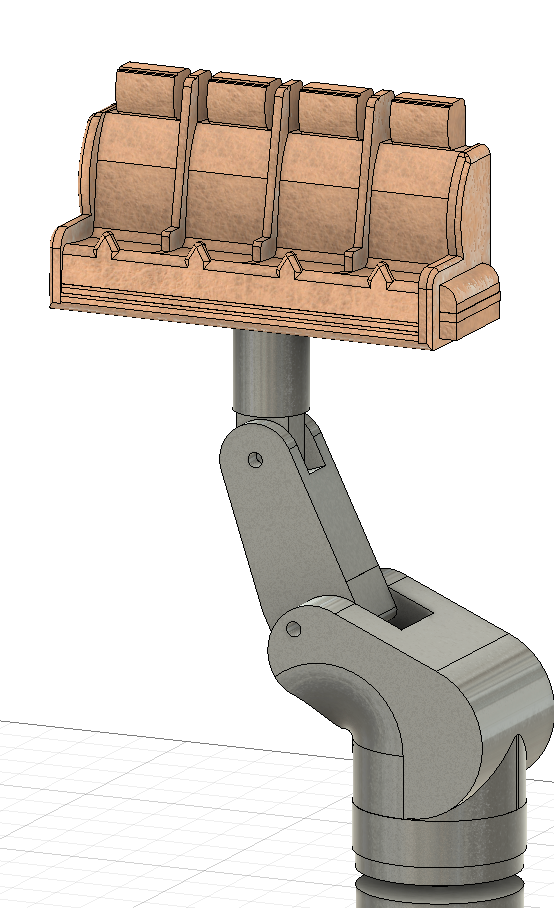
As part of the Universal Creative Lab class, my partner and I were assigned a one-minute section of a dark ride inspired by Edgar Allan Poe’s The Pit and the Pendulum. For this project, I focused on the engineering and feasibility side of our dark ride concept. Using AutoCAD, I designed the ride layout, including scene timing, flow, and throughput, achieving a theoretical capacity of over 1600 riders per hour. I also developed the budget, operational costs, and schedule to support the attraction’s practicality. To enhance the presentation, I created a 1/24 scale CAD model of the KUKA arm ride vehicle in Fusion 360, which demonstrated the neutral position and motion path. This model allowed us to clearly visualize how the ride system would function within our assigned section.
As part of the Universal Creative Lab class, my partner and I were assigned a one-minute section of a dark ride inspired by Edgar Allan Poe’s The Pit and the Pendulum. For this project, I focused on the engineering and feasibility side of our dark ride concept. Using AutoCAD, I designed the ride layout, including scene timing, flow, and throughput, achieving a theoretical capacity of over 1600 riders per hour. I also developed the budget, operational costs, and schedule to support the attraction’s practicality. To enhance the presentation, I created a 1/24 scale CAD model of the KUKA arm ride vehicle in Fusion 360, which demonstrated the neutral position and motion path. This model allowed us to clearly visualize how the ride system would function within our assigned section.
Initial Concept
Final CAD Concept
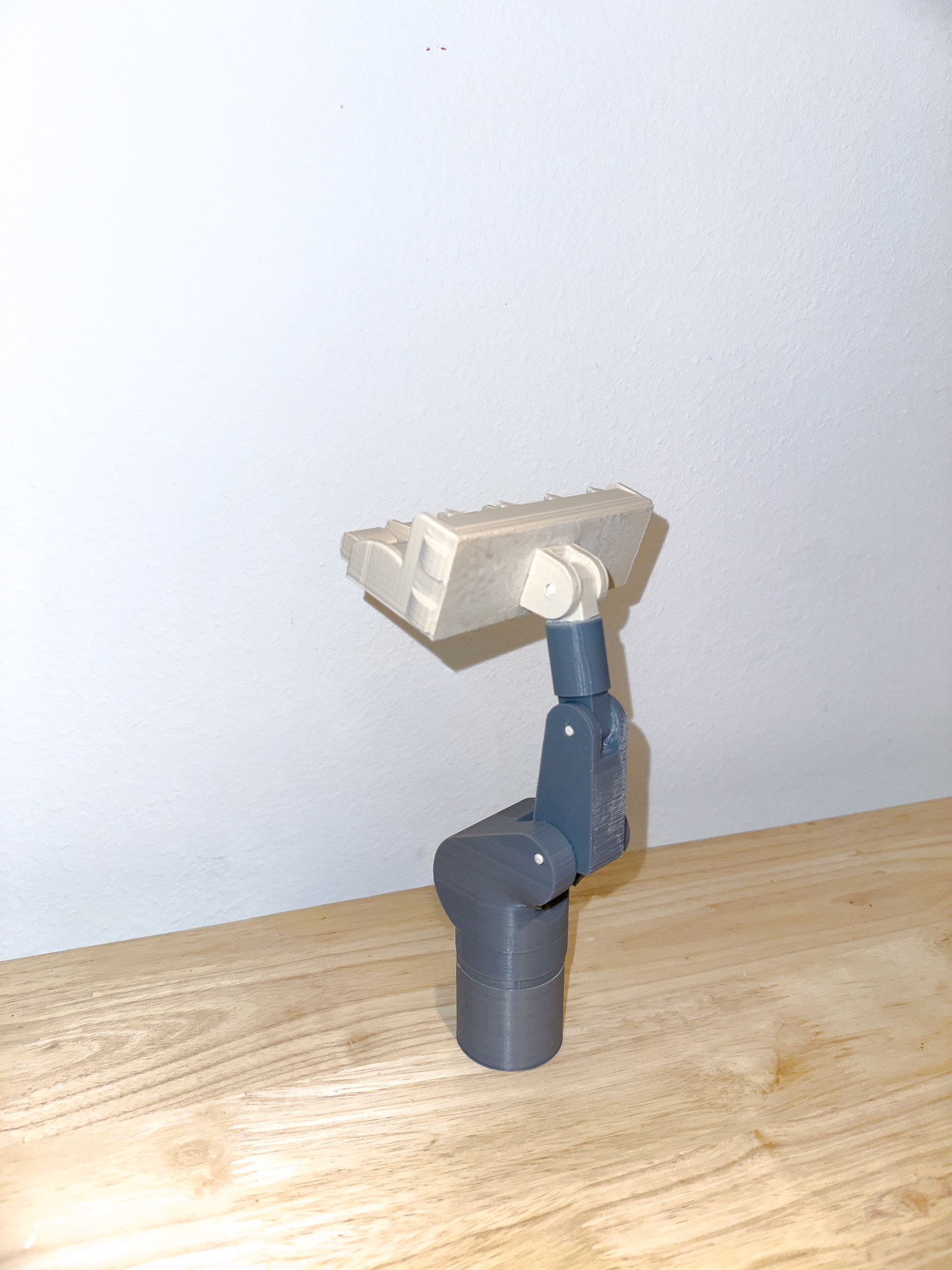
Final Assembly
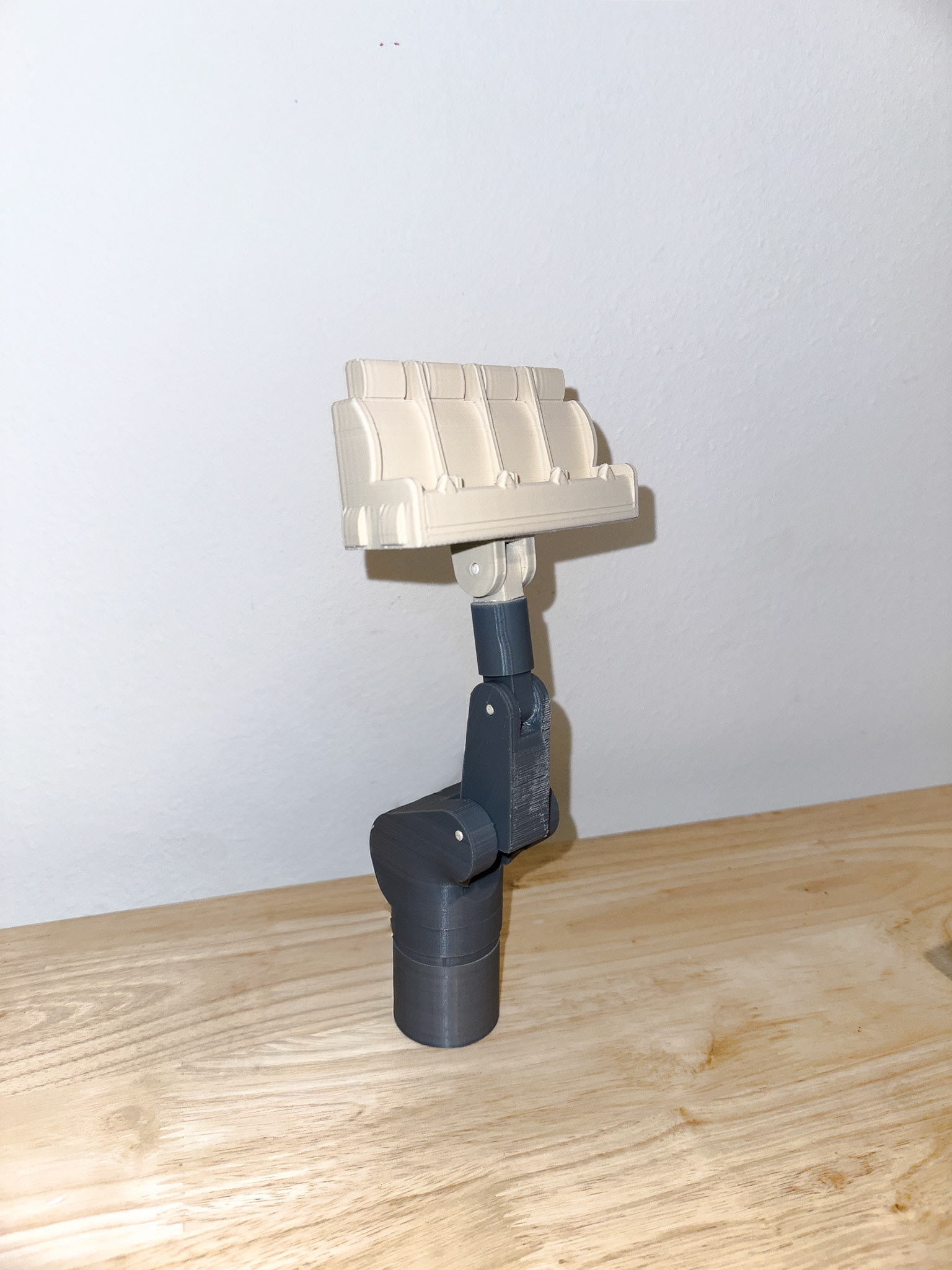
Final Assembly
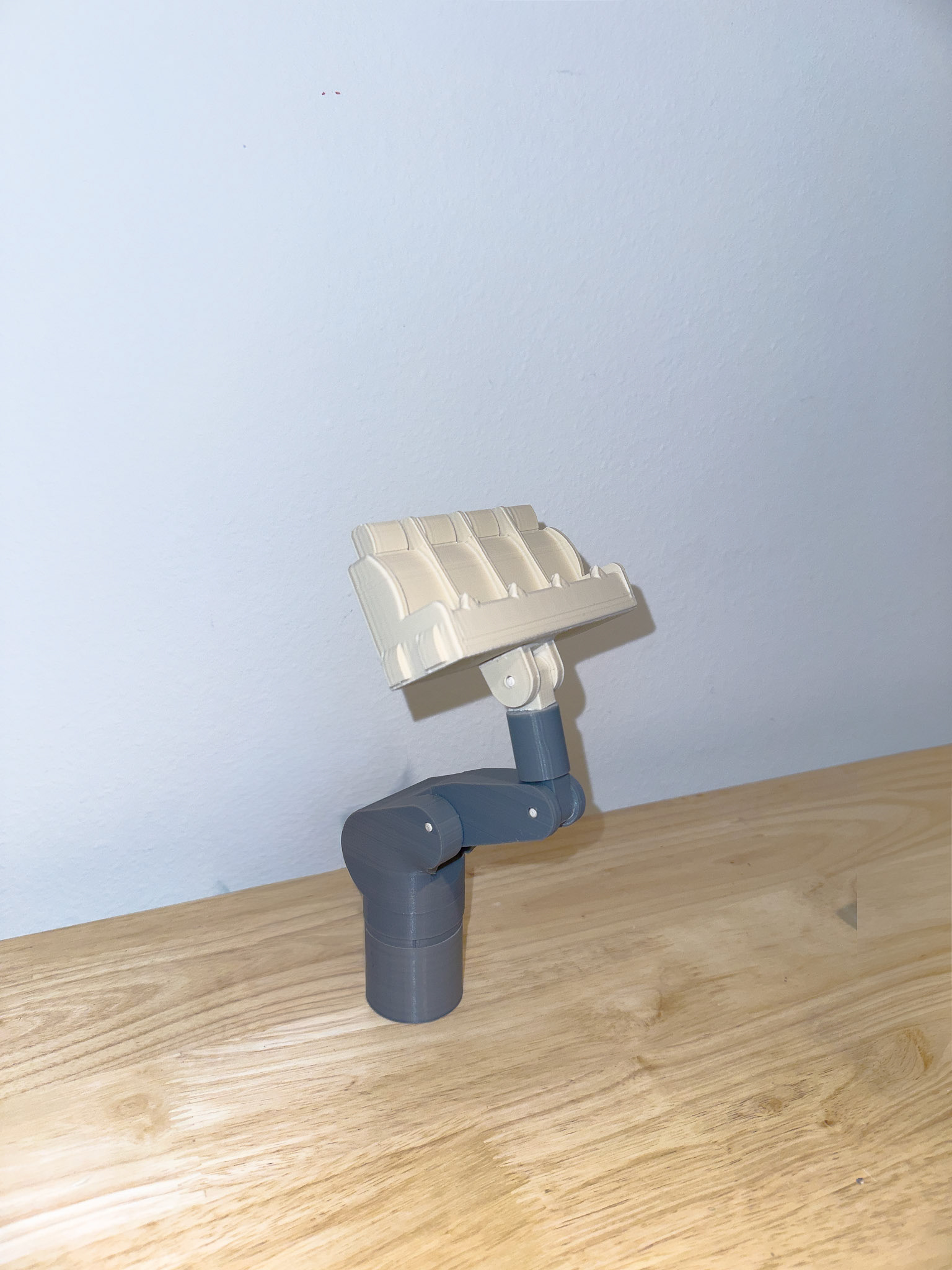
Final Assembly
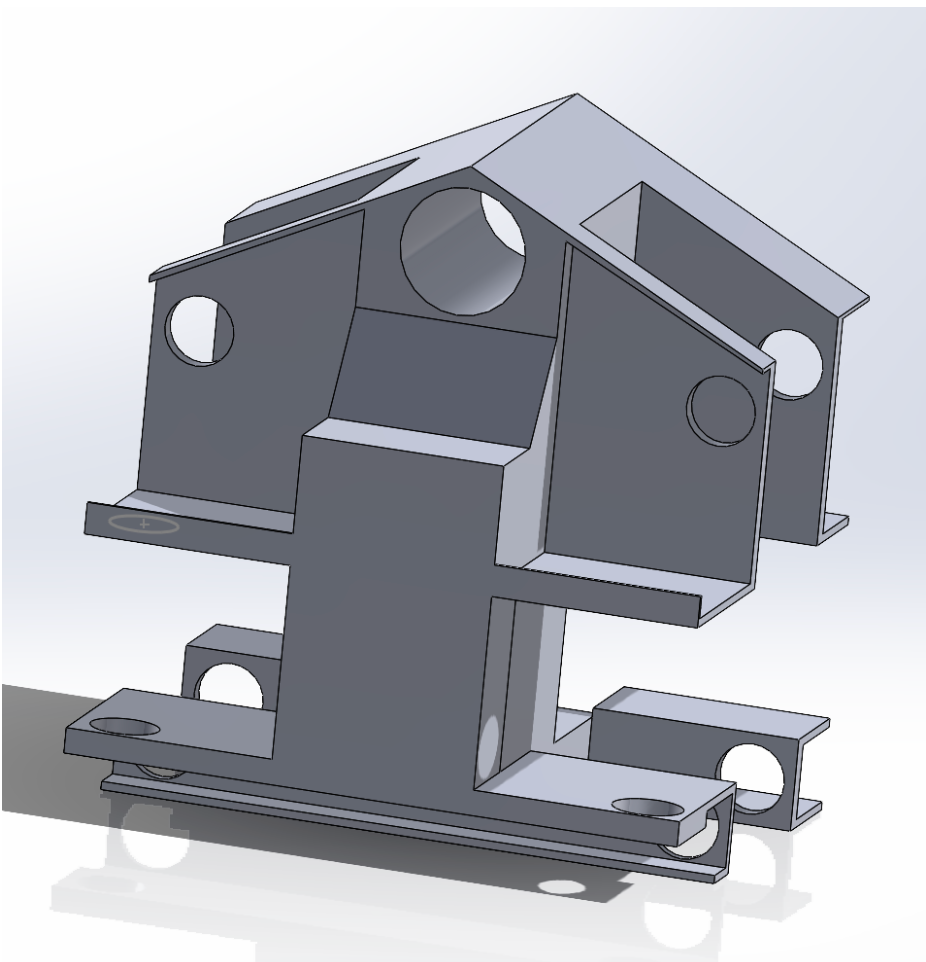
Wheel Mount
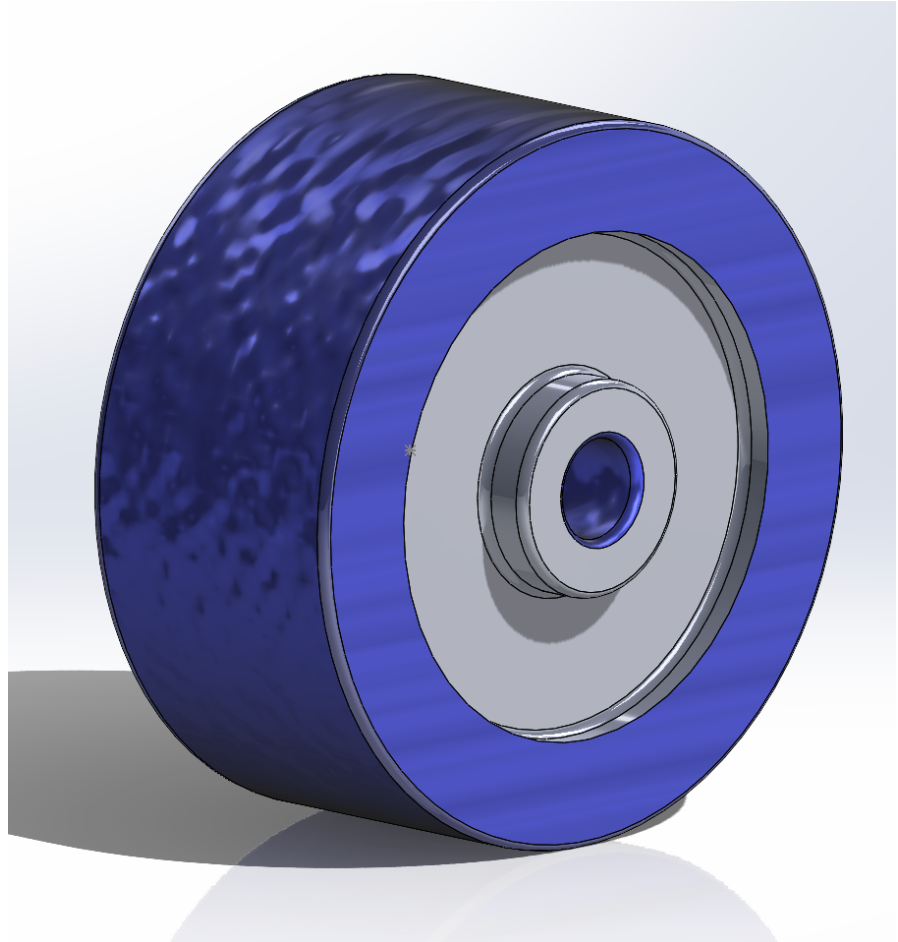
Caster Wheel
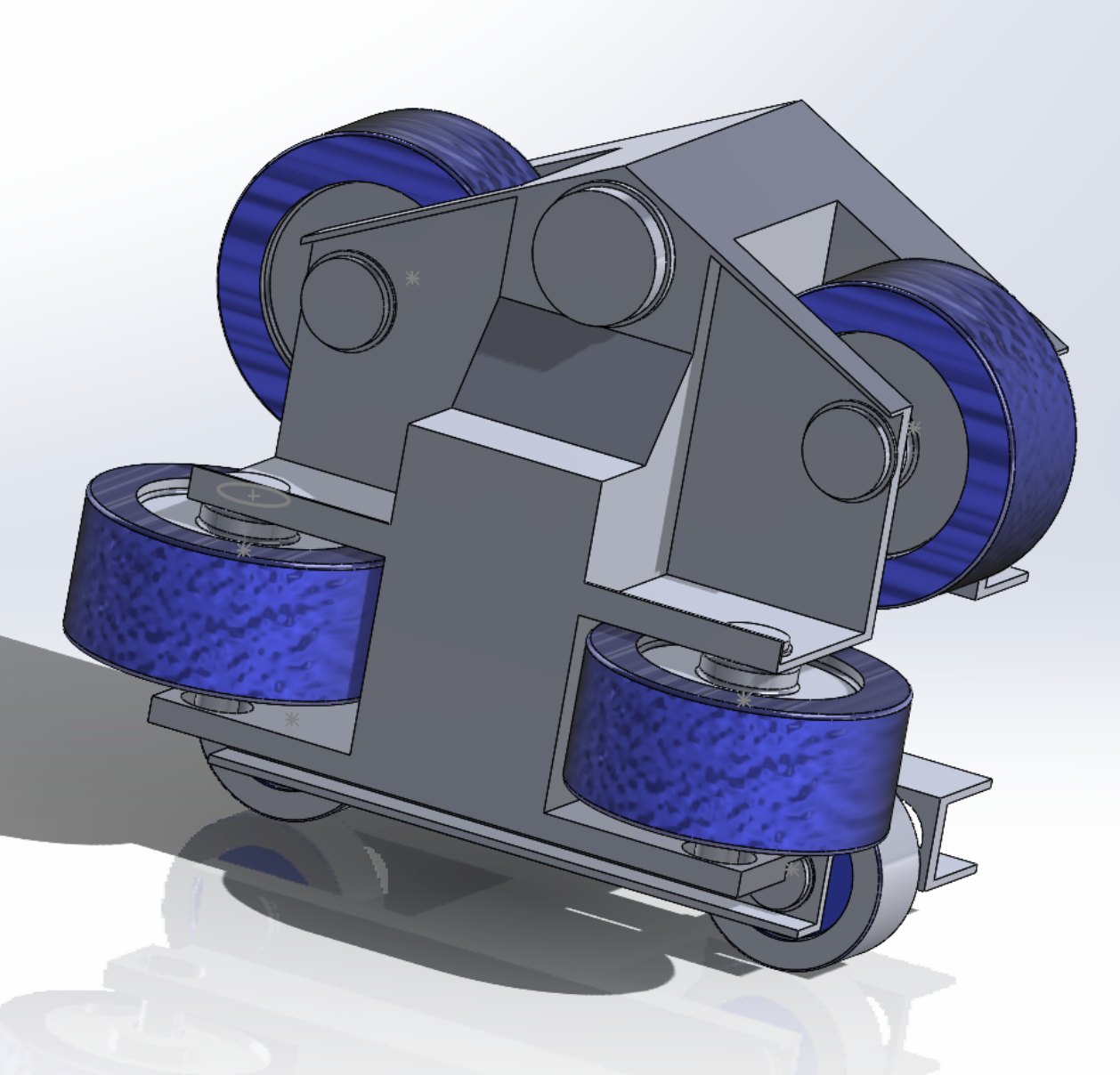
Wheel Assembly
Finite Element Analysis of a Roller Coaster Wheel Assembly
This project analyzed the structural behavior of a roller coaster wheel assembly under static loading conditions using finite element analysis (FEA). CAD models created in SolidWorks simulated three scenarios: vertical loading on the main wheels, lateral loading on the guide wheels, and combined loading on both. Results highlighted critical stress points at the axle hub and emphasized the need for design improvements to ensure safety and durability in real-world conditions.
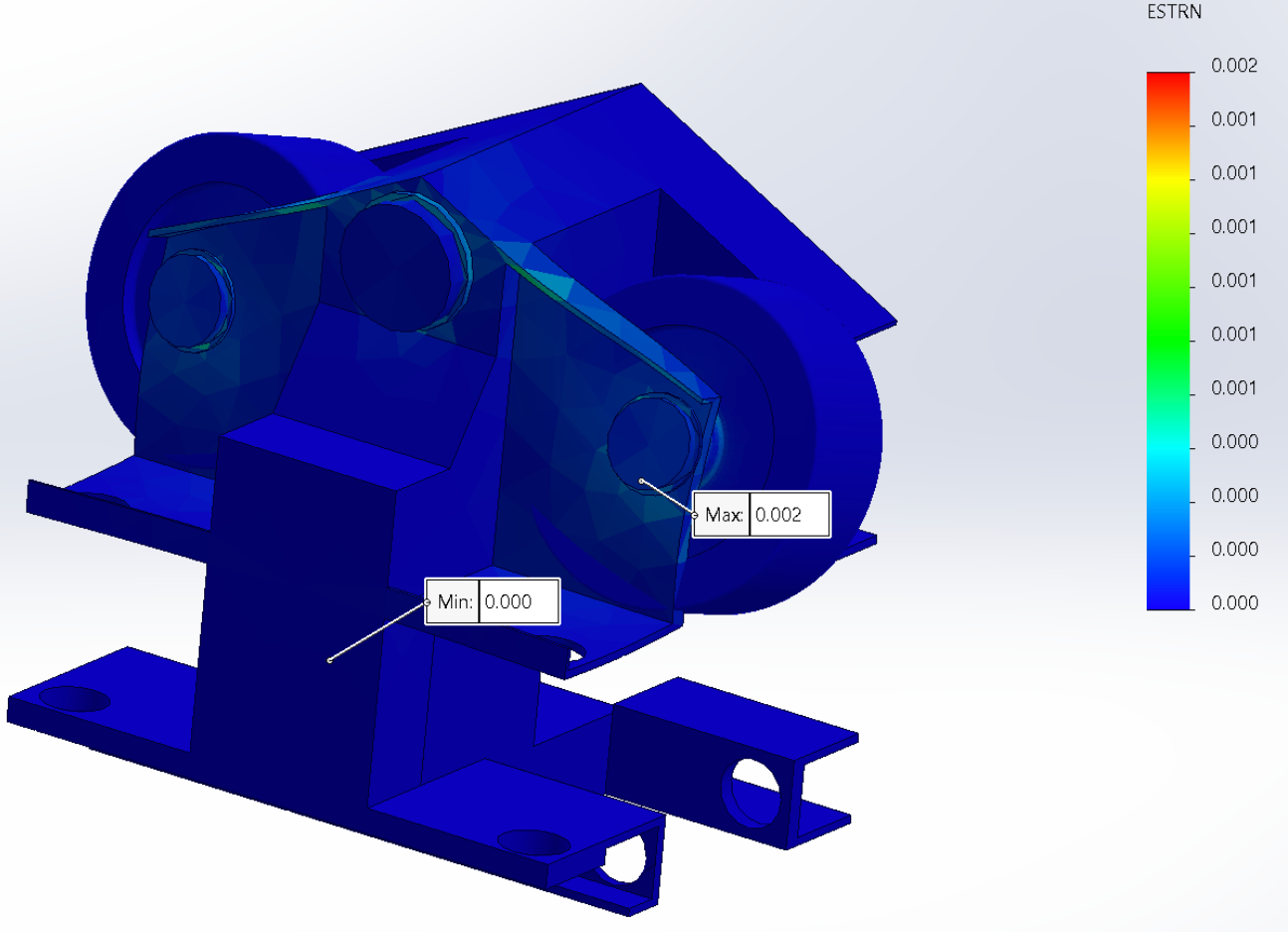
6000N on Main Wheels Strain
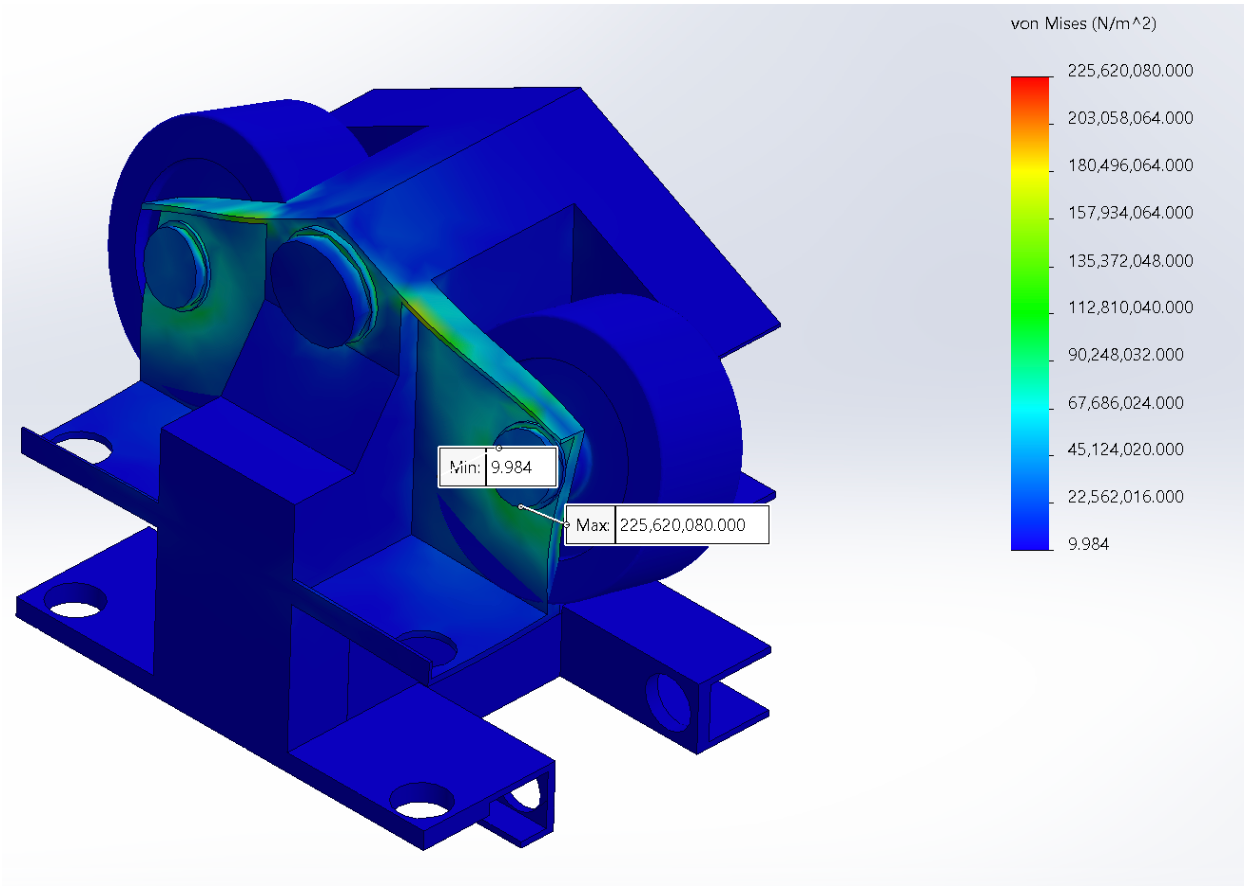
6000N on Main Wheels Stress
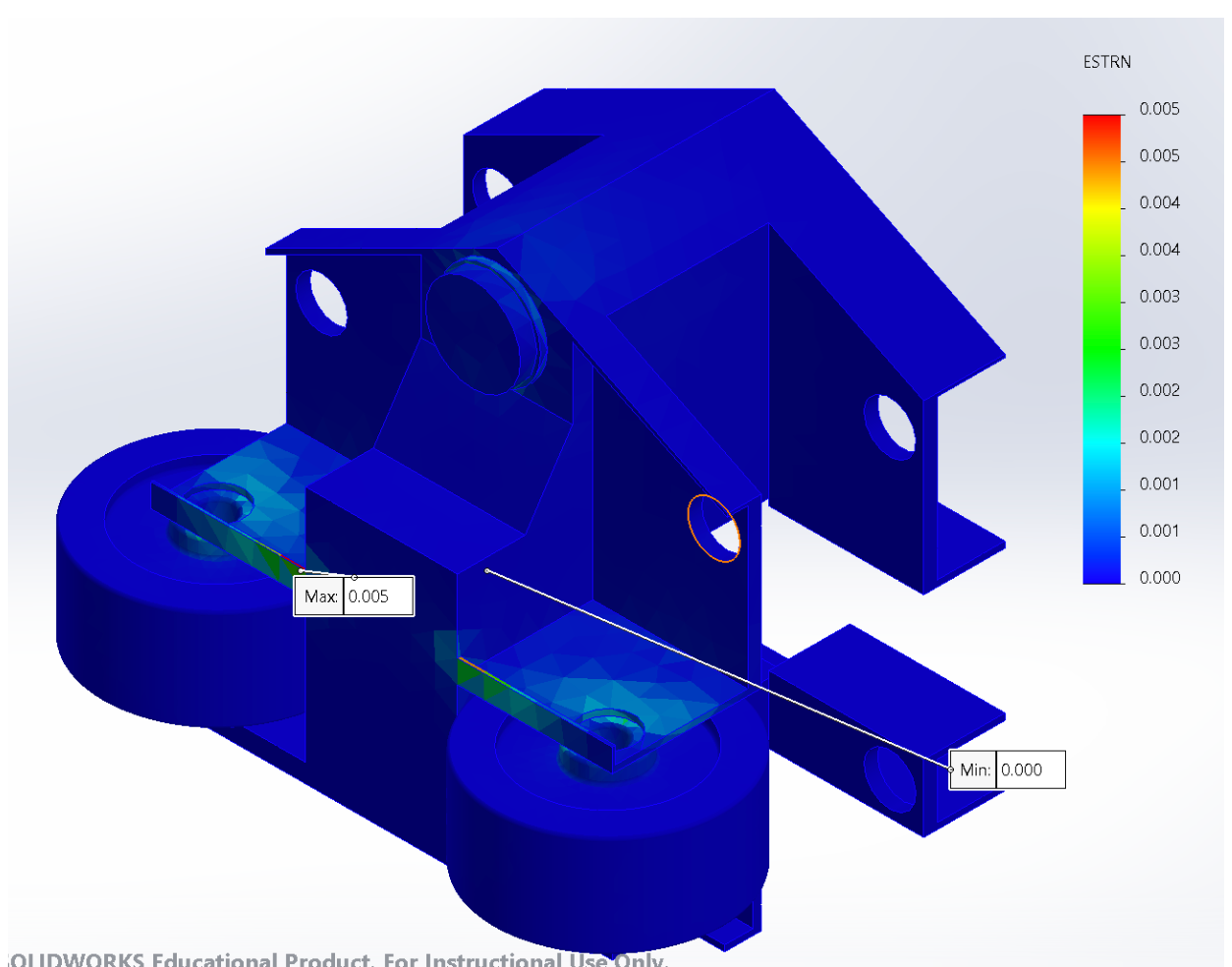
6000N on Guide Wheels Strain
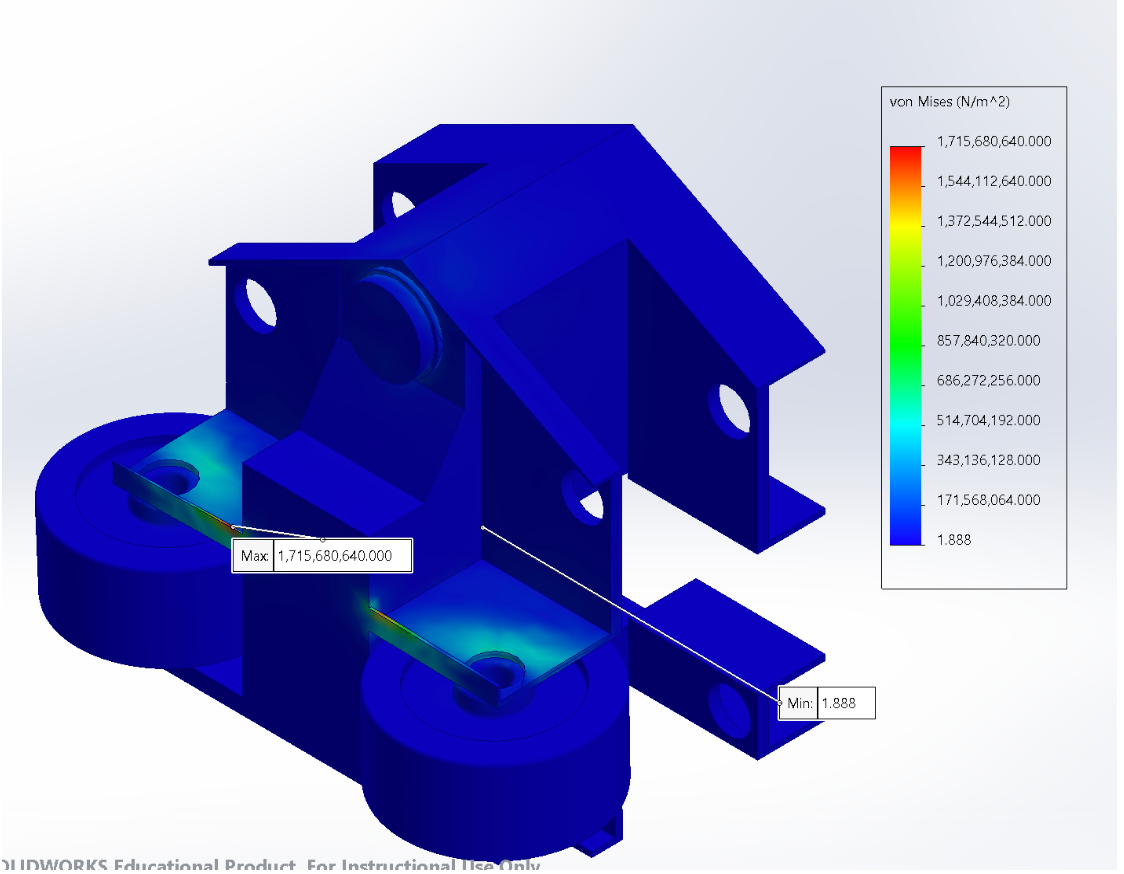
5000N on Guide Wheels Stress
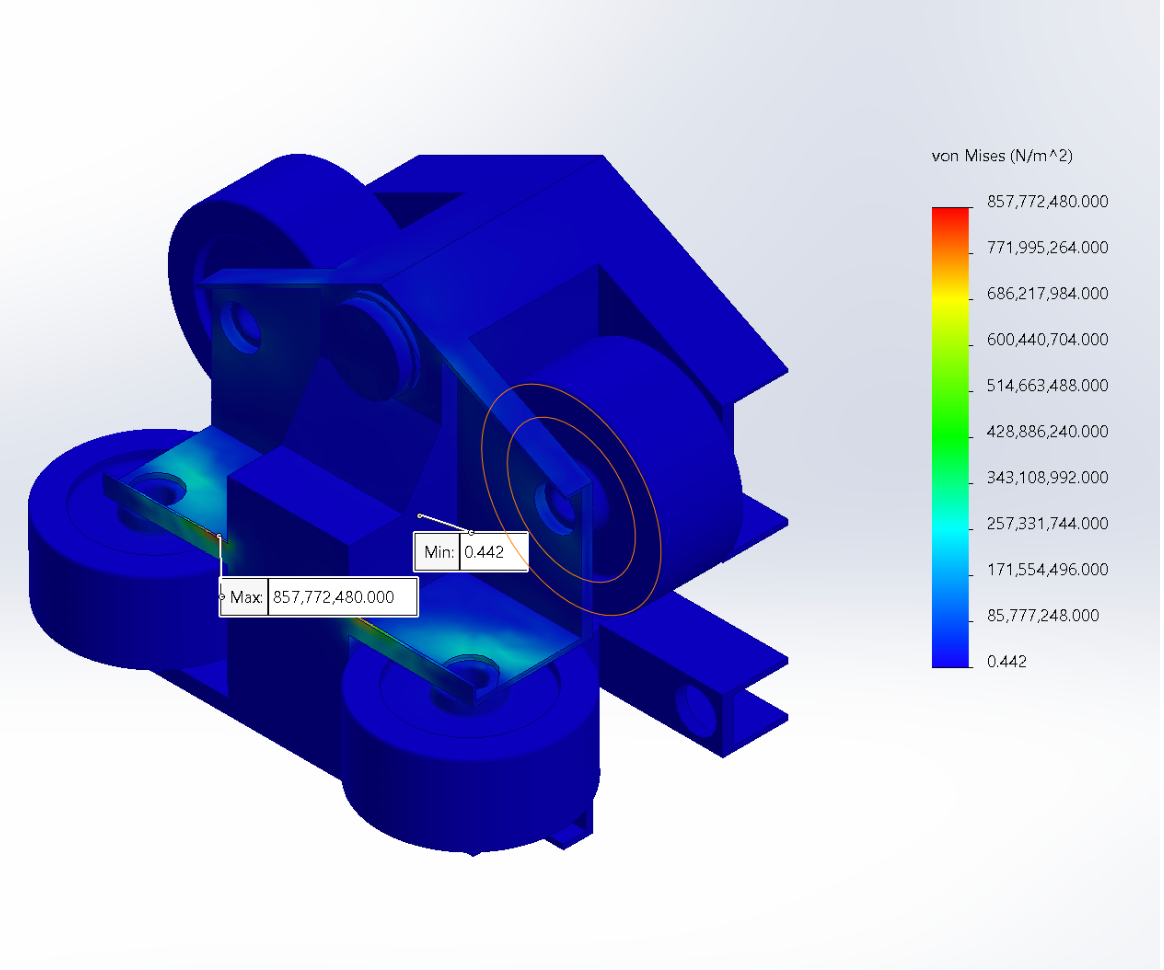
Combined Load Stress
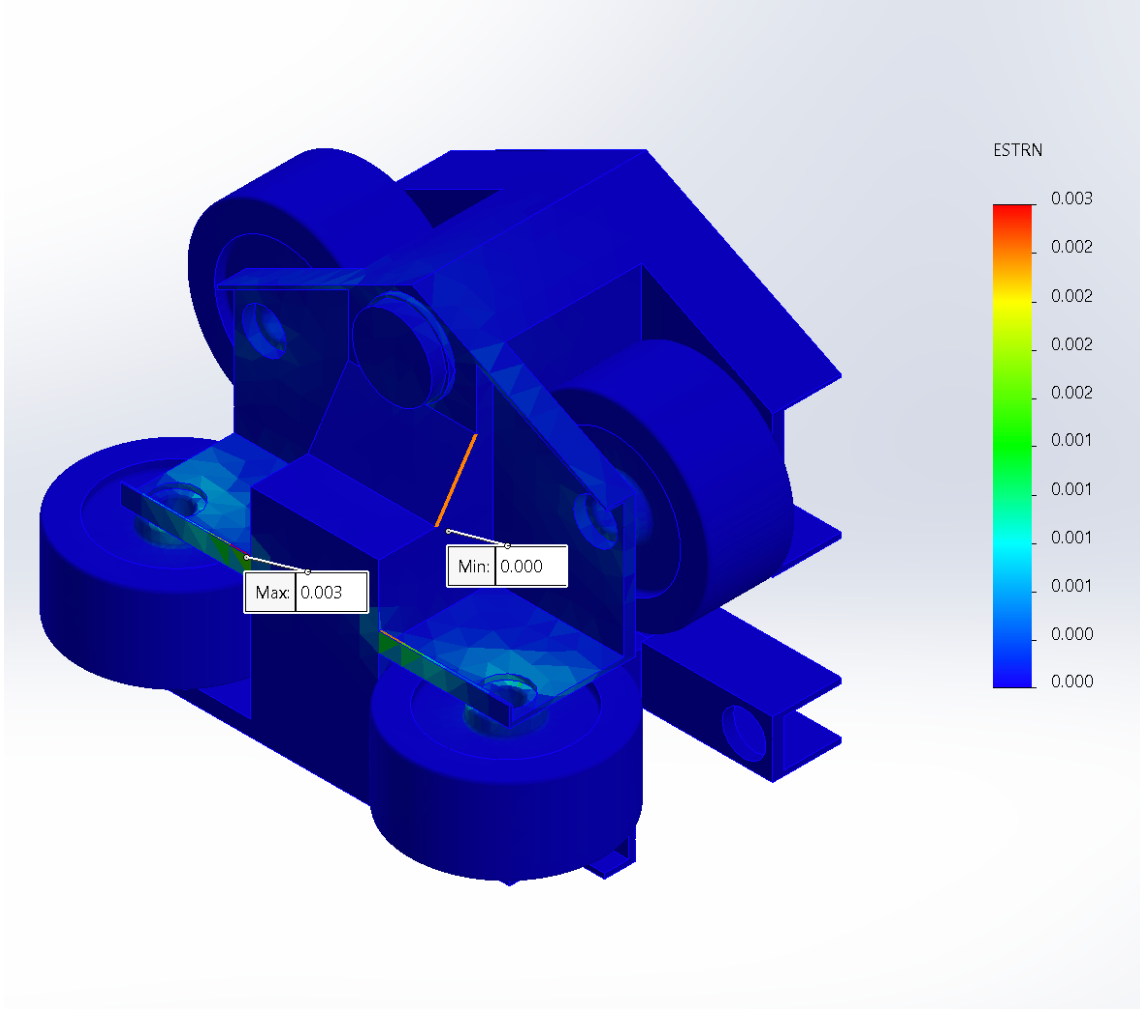
Combined Load Strain
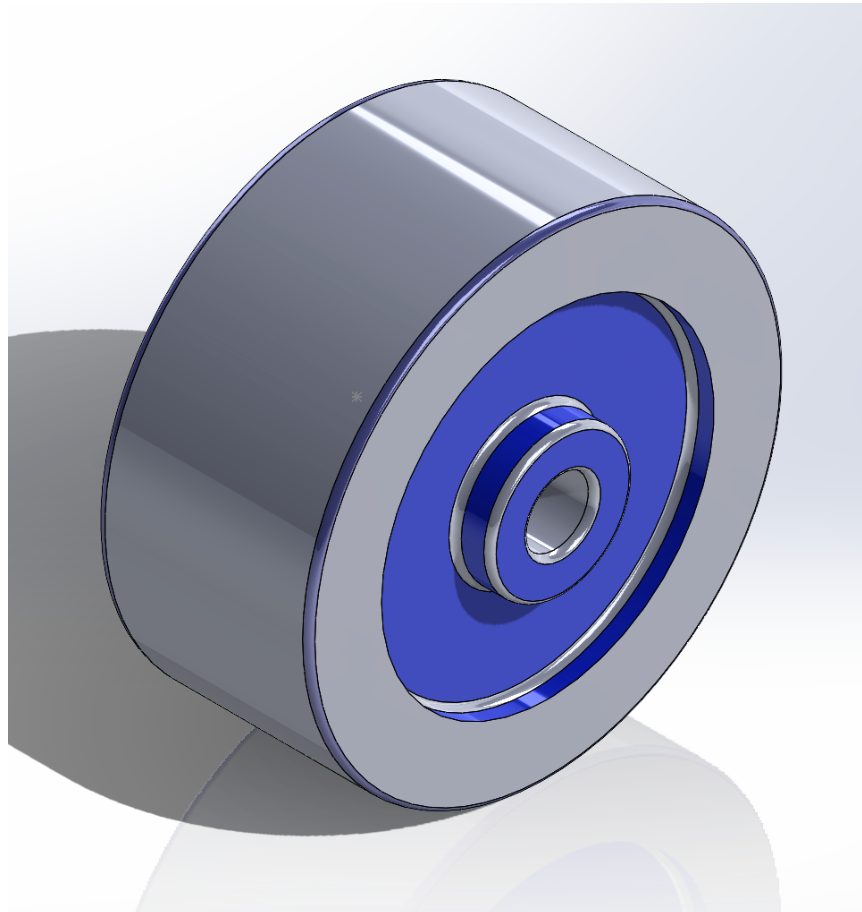
Caster Wheel
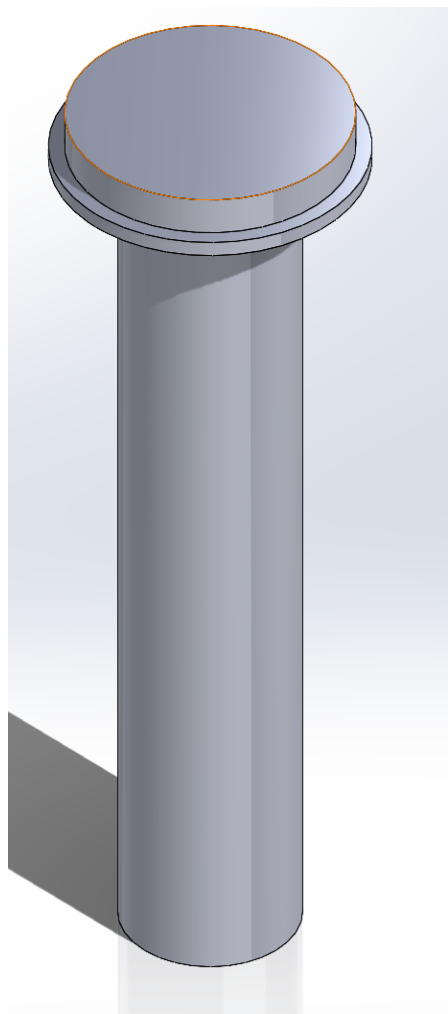
Pin
Airfoil Design and Simulation
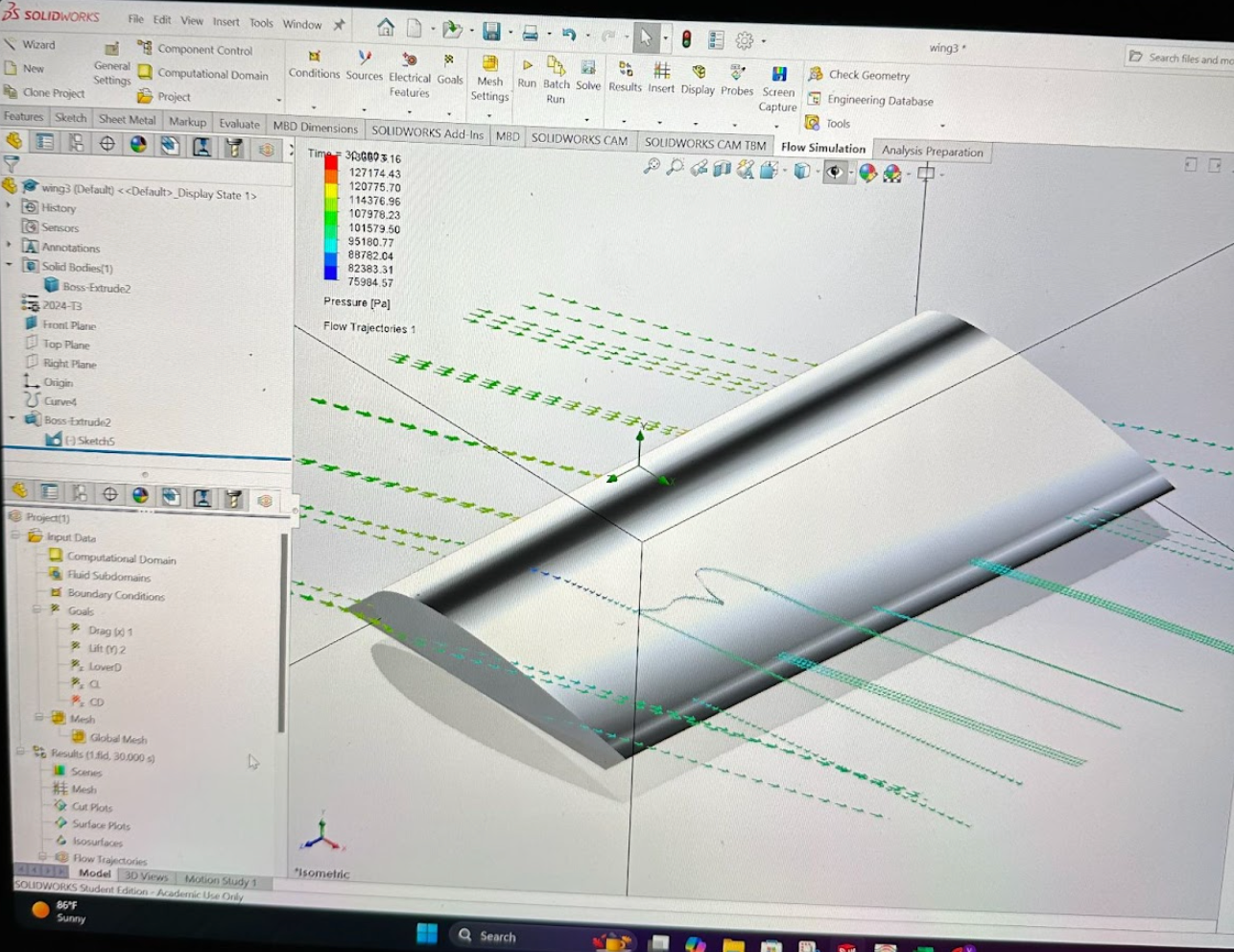
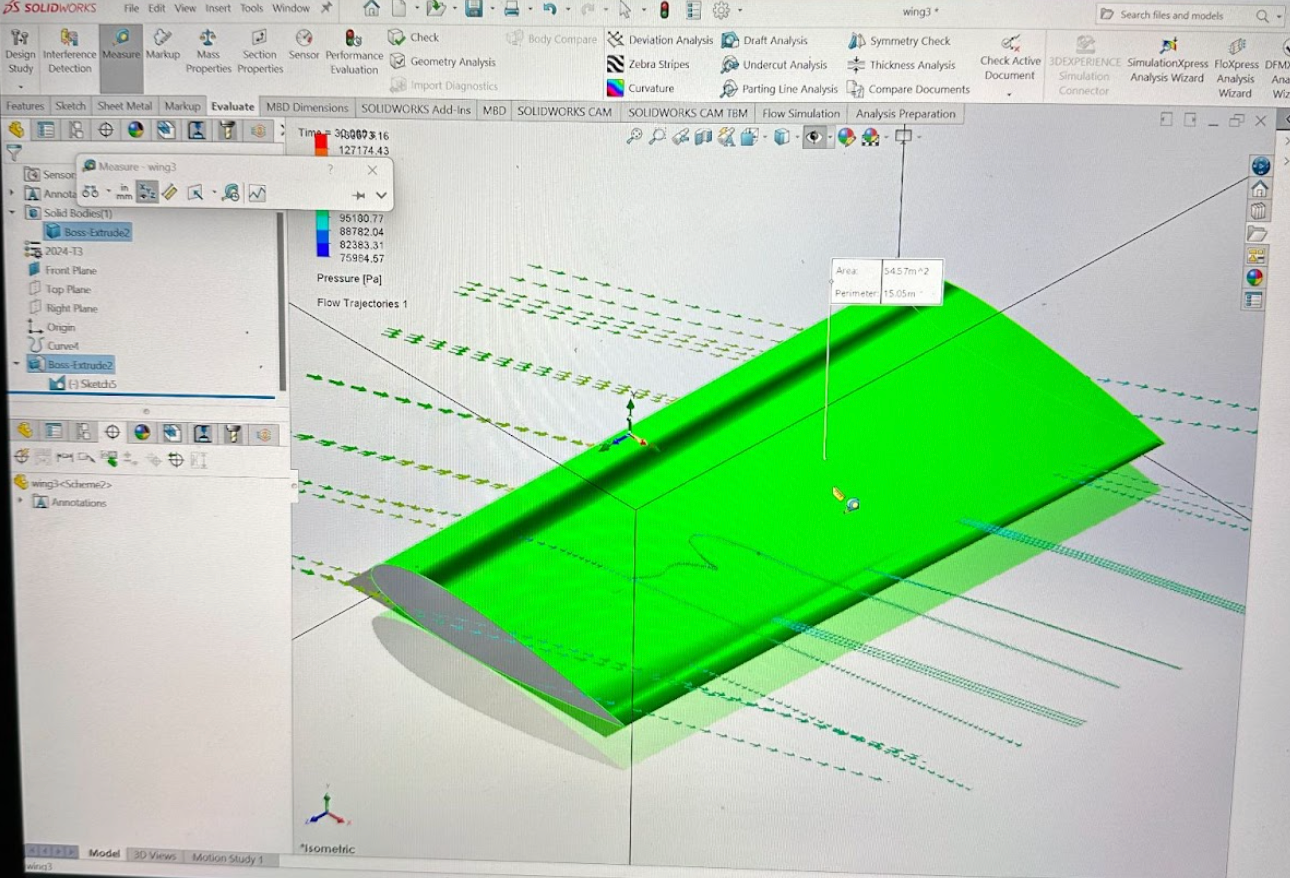
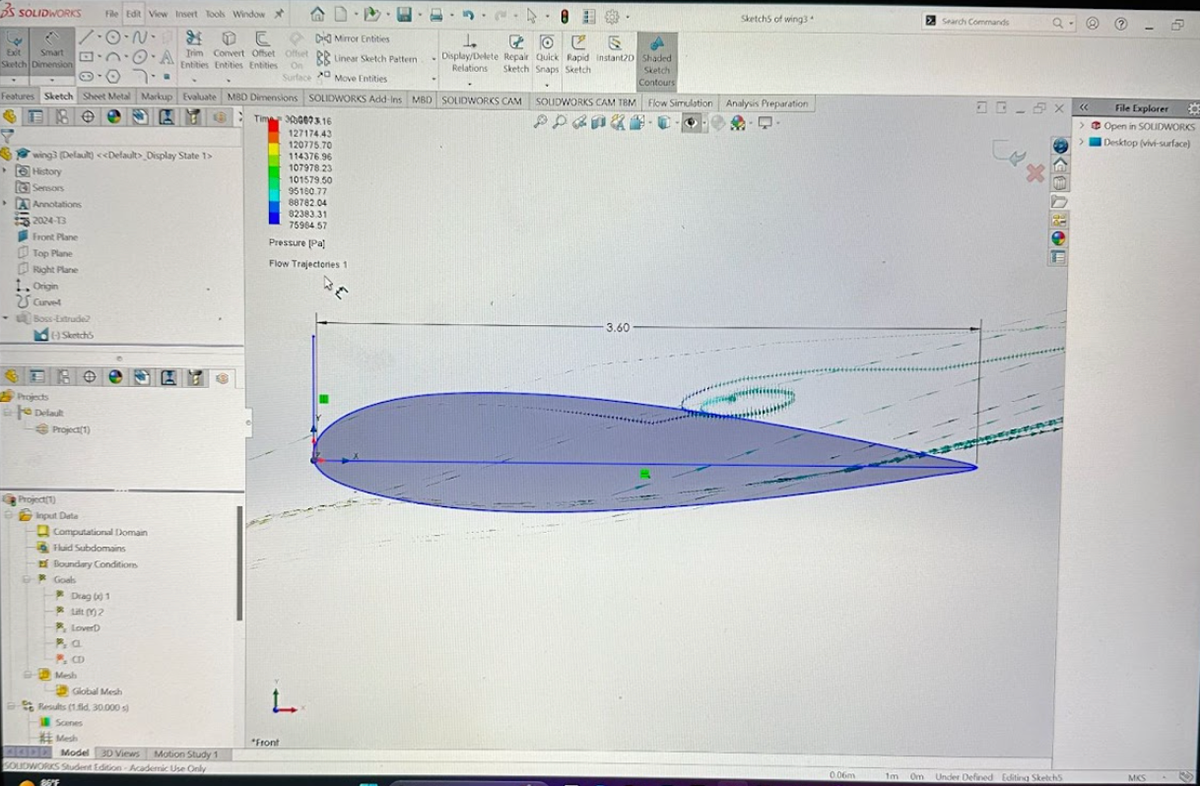
This project focused on designing an airfoil to meet Delta Airlines' requirement of lifting a 40,000 kg aircraft at a velocity of 250 m/s. Using the NACA 23018 profile, the wing was modeled in SolidWorks and simulated using Flow Simulation to evaluate aerodynamic performance across angles of attack from -8° to 16°. Results showed the wing's ability to generate sufficient lift, with a maximum lift-to-drag ratio of 9.3, confirming the design's efficiency and effectiveness for commercial aviation applications.
This project focused on designing an airfoil to meet Delta Airlines' requirement of lifting a 40,000 kg aircraft at a velocity of 250 m/s. Using the NACA 23018 profile, the wing was modeled in SolidWorks and simulated using Flow Simulation to evaluate aerodynamic performance across angles of attack from -8° to 16°. Results showed the wing's ability to generate sufficient lift, with a maximum lift-to-drag ratio of 9.3, confirming the design's efficiency and effectiveness for commercial aviation applications.
Topology Optimization and 3D Printing
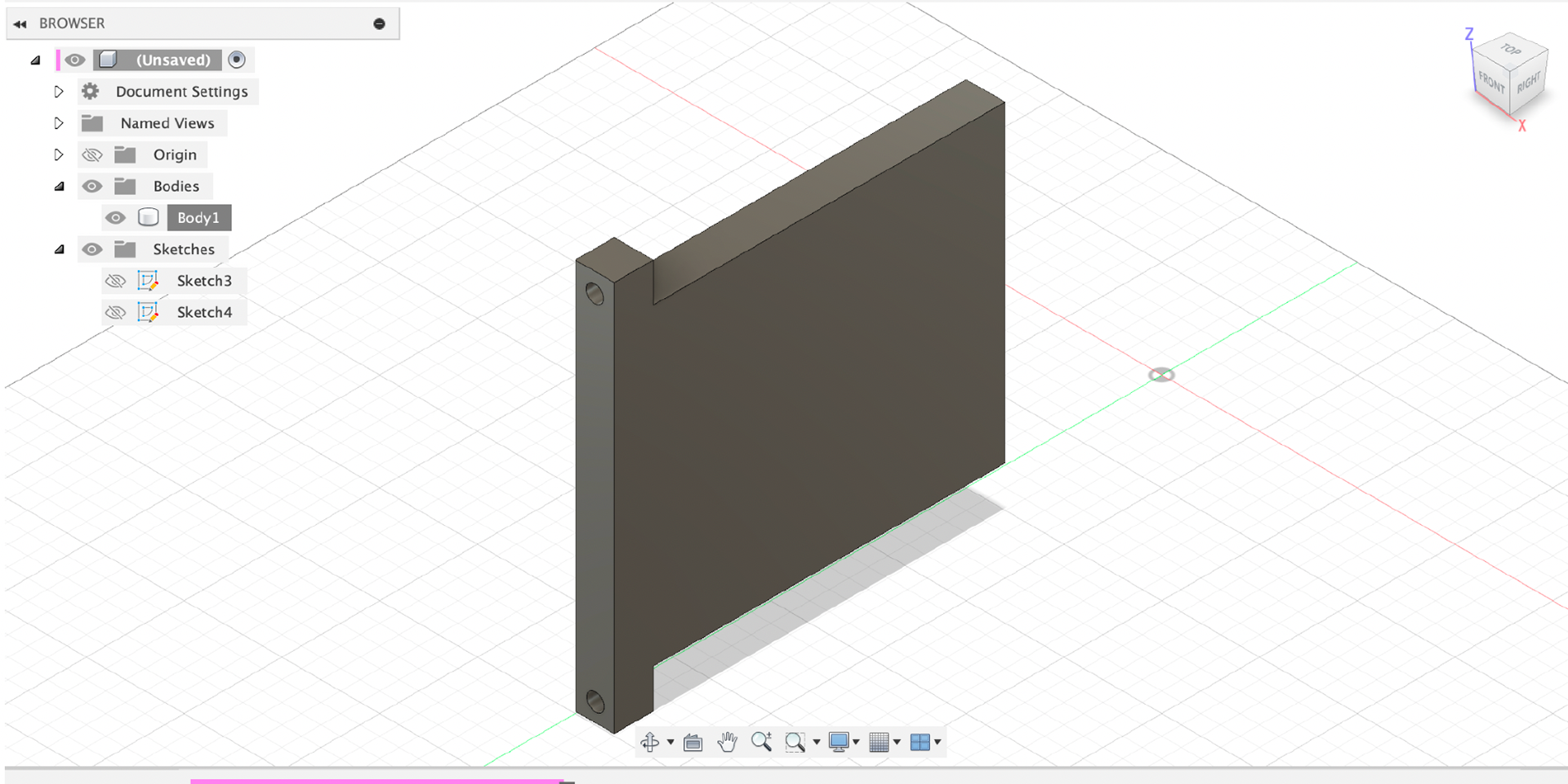
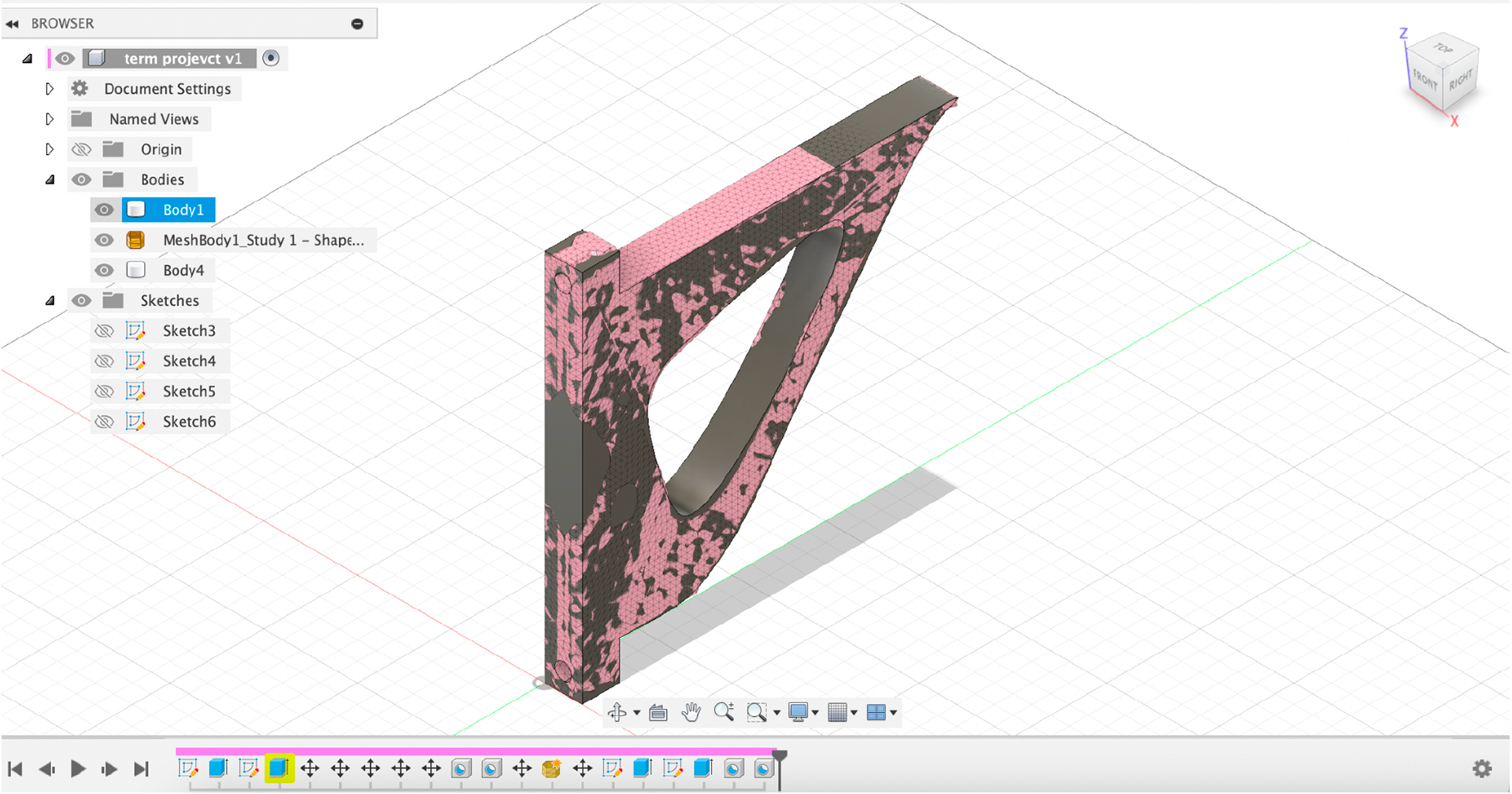
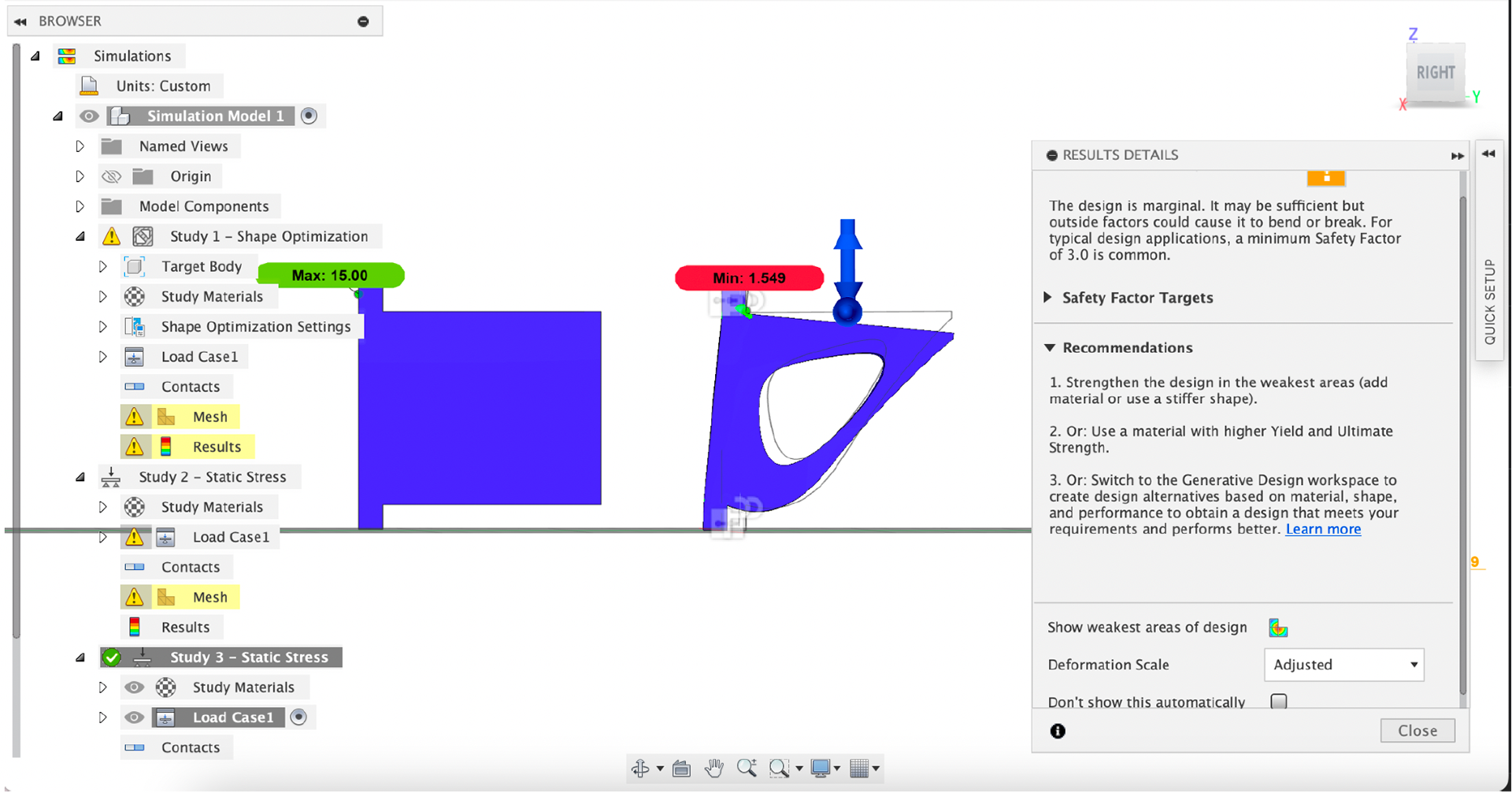
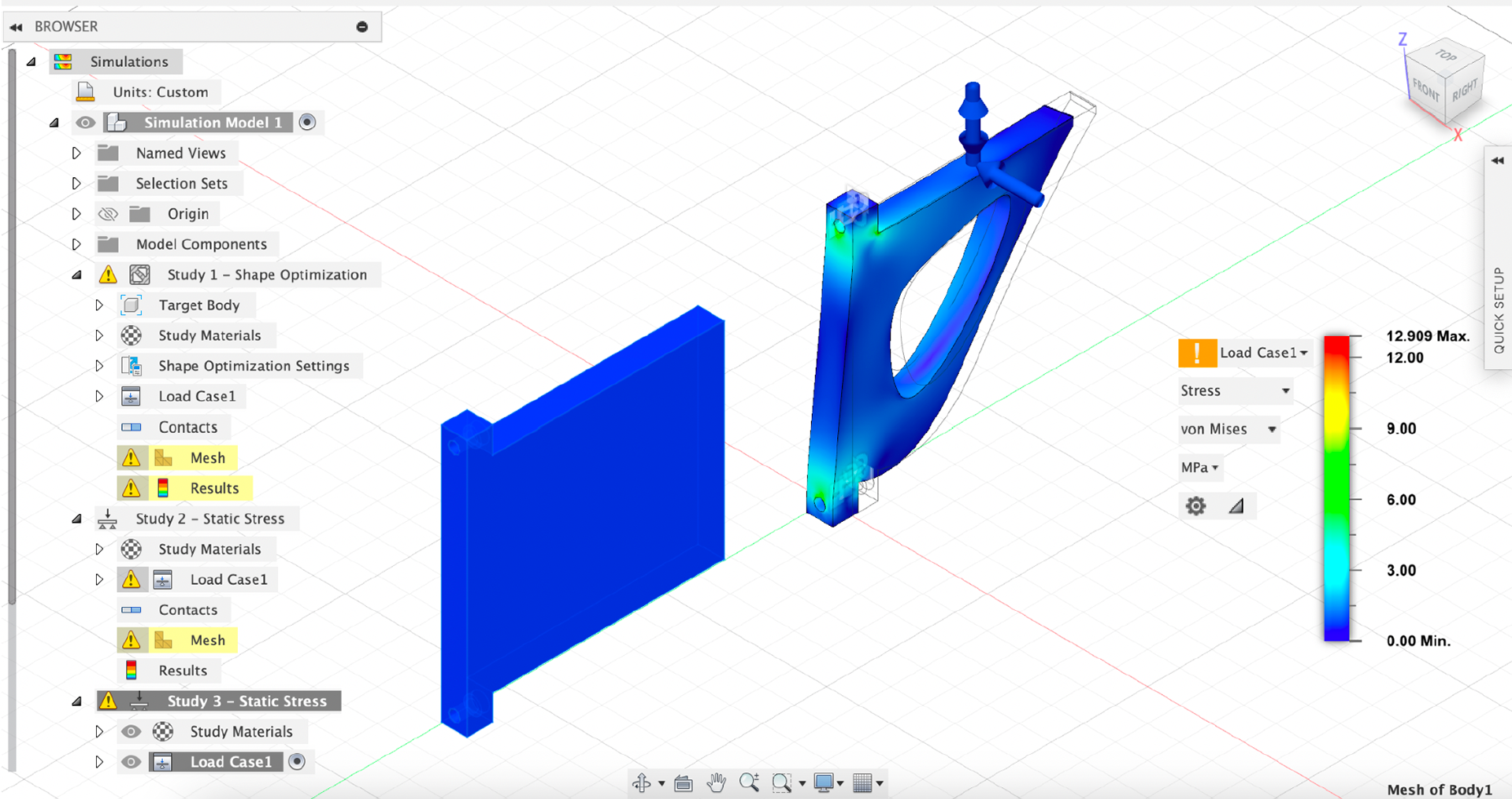
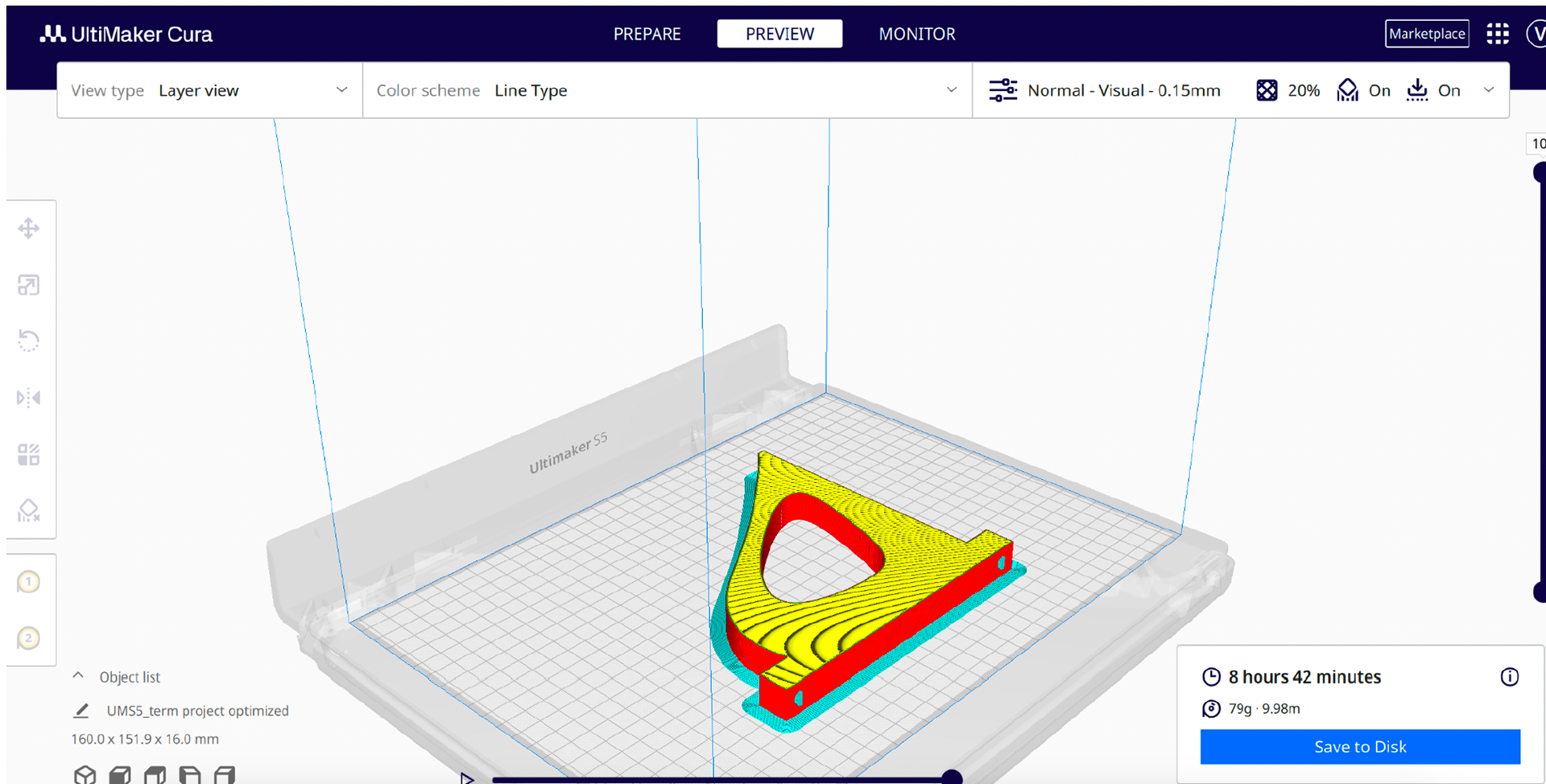
This project focused on redesigning a CAD part using topology optimization to improve material efficiency while maintaining structural integrity. The optimized design was simplified, analyzed under three load cases using FEA, and prepared for 3D printing in Cura. ABS plastic was chosen for its impact resistance and durability, while specific print settings, including low infill and optimal orientation, minimized weight and print time. The final design demonstrates the integration of digital manufacturing techniques to create lightweight and robust components.
This project focused on redesigning a CAD part using topology optimization to improve material efficiency while maintaining structural integrity. The optimized design was simplified, analyzed under three load cases using FEA, and prepared for 3D printing in Cura. ABS plastic was chosen for its impact resistance and durability, while specific print settings, including low infill and optimal orientation, minimized weight and print time. The final design demonstrates the integration of digital manufacturing techniques to create lightweight and robust components.